How To Cake It Chocolate Cake Recipe
How To Cake It Chocolate Cake Recipe isn’t just a recipe; it’s a journey into the heart of decadent chocolate indulgence. This exclusive interview delves into the artistry of crafting the perfect chocolate cake, exploring variations from dark to milk to white chocolate, each imparting unique flavor profiles and textures.
We’ll uncover the secrets to achieving a moist crumb, the perfect frosting, and stunning decorative styles, all while addressing common baking pitfalls and offering solutions. Prepare to elevate your baking game to new heights!
From mastering creaming techniques to flawlessly layering and frosting your creation, we’ll cover every step with precision and detail. We’ll also discuss ingredient substitutions, explore diverse frosting options, and guide you through troubleshooting common baking challenges, ensuring a consistently delicious result every time.
Get ready for an in-depth exploration of chocolate cake perfection.
Recipe Variations

Exploring the diverse world of chocolate cake unlocks a realm of flavor and texture possibilities. The type of chocolate used significantly impacts the final product, offering a spectrum of experiences from intensely rich and bitter to subtly sweet and creamy.
Let’s delve into three distinct variations, each showcasing the unique character of dark, milk, and white chocolate.
Dark Chocolate Cake Variation
Dark chocolate, with its high cocoa content, brings an intense, bittersweet profile to the cake. The higher percentage of cocoa solids contributes to a denser, more complex flavor and a slightly drier crumb compared to milk or white chocolate cakes.
A good quality dark chocolate (70% cocoa or higher) is crucial for achieving the desired depth of flavor. The slightly bitter notes are balanced by the sweetness of sugar and the richness of butter, creating a sophisticated and intensely chocolatey experience.
The darker the chocolate, the more pronounced the bitterness and the less sweetness will be required in the recipe.
Milk Chocolate Cake Variation
Milk chocolate offers a more approachable sweetness and a smoother, creamier texture. The addition of milk solids in milk chocolate results in a softer, more tender crumb. The flavor is milder and sweeter than dark chocolate, making it a popular choice for those who prefer a less intense chocolate experience.
This variation is excellent for those who appreciate a balance between richness and sweetness. The addition of milk solids also contributes to a more moist and tender crumb.
White Chocolate Cake Variation
White chocolate, lacking cocoa solids, delivers a distinctly sweet and creamy profile. The absence of cocoa solids results in a lighter color and a less intense chocolate flavor. The texture is often lighter and airier than dark or milk chocolate cakes.
White chocolate cakes benefit from the addition of other flavorings, such as vanilla or citrus zest, to complement its inherent sweetness and prevent it from becoming overly cloying. The creamy texture is best highlighted with a light and airy frosting.
Chocolate Cake Variations Comparison
This table compares the three chocolate cake variations, highlighting key differences in ingredients and preparation.
| Feature | Dark Chocolate Cake | Milk Chocolate Cake | White Chocolate Cake |
|---|---|---|---|
| Chocolate Type | Dark chocolate (70% cocoa or higher) | Milk chocolate | White chocolate |
| Flavor Profile | Intensely chocolatey, bittersweet | Sweet, creamy, balanced | Sweet, creamy, subtle chocolate |
| Texture | Denser, slightly drier crumb | Soft, tender crumb | Light, airy crumb |
| Potential Additions | Espresso powder, coffee, nuts | Vanilla extract, caramel | Vanilla extract, citrus zest, nuts |
Ingredient Substitutions
Substituting ingredients in chocolate cake recipes can be done with careful consideration of the desired outcome. For example, substituting all-purpose flour with cake flour will result in a more tender crumb, while using whole wheat flour will add a nuttier flavor and a slightly denser texture.
Replacing granulated sugar with brown sugar will introduce a deeper, molasses-like flavor and a slightly chewier texture. Butter can be substituted with vegetable shortening, but this will result in a less flavorful and potentially drier cake. However, using coconut oil can provide a unique flavor and moisture.
The key is to understand how each substitution impacts the final flavor and texture of the cake. For instance, using applesauce in place of some of the butter or oil will reduce the fat content and add moisture, but may also slightly alter the texture and flavor.
Baking Techniques: How To Cake It Chocolate Cake Recipe

Creating a truly delightful chocolate cake hinges on mastering several key baking techniques. These techniques, when executed precisely, transform ordinary ingredients into a masterpiece of moist, tender crumb and rich chocolate flavor. Let’s delve into the crucial steps that elevate your baking game.Proper creaming is the foundation of a moist and tender chocolate cake.
This technique involves beating together butter and sugar until light and fluffy, incorporating air into the mixture. This air is crucial for creating a light and airy crumb structure. The process also emulsifies the fats and sugars, creating a stable structure that holds moisture effectively, resulting in a cake that stays moist for longer.
Creaming Technique for Moist Chocolate Cake, How To Cake It Chocolate Cake Recipe
The key to successful creaming lies in the duration and intensity of the beating process. Begin by creaming together softened butter and granulated sugar using a stand mixer or a hand mixer. The butter should be at room temperature, allowing for optimal emulsification.
Beat the mixture on medium speed for about 3-5 minutes, until the mixture is light, fluffy, and pale in color. You should notice a significant increase in volume, indicating the successful incorporation of air. Scrape down the sides of the bowl regularly to ensure even mixing.
This thorough creaming process is essential for achieving a moist and tender cake. Insufficient creaming will result in a dense, dry cake.
Achieving Ideal Cake Crumb Structure
The secret to a perfect chocolate cake crumb lies in gentle handling of the batter. Overmixing introduces excess gluten, resulting in a tough and chewy texture. Conversely, undermixing can lead to a cake that is unevenly baked and lacks structure.
The goal is to incorporate all ingredients just until combined, leaving some slight streaks of flour visible in the batter. This ensures a tender, delicate crumb.
Layering a Chocolate Cake with Frosting
Once your cakes have cooled completely, layering with frosting is a straightforward process, but a few tips will ensure a professional-looking and delicious result. Begin by leveling the tops of the cakes with a serrated knife to create a flat surface for even layering.
Place one cake layer on a cake board or serving plate. Add a generous layer of frosting, spreading it evenly to the edges. Top with the second cake layer, and repeat the frosting process. Finally, frost the entire cake, ensuring a smooth and even finish.
A crumb coat (a thin layer of frosting applied before the final layer) can help prevent crumbs from mixing into the final frosting layer, resulting in a cleaner, more polished look.
Frosting and Decoration

The final flourish of any magnificent chocolate cake lies in its frosting and decoration. A well-executed frosting not only enhances the cake’s flavor but also elevates its visual appeal, transforming a simple bake into a culinary masterpiece. The choice of frosting and the decorative style are crucial in conveying the desired mood and aesthetic.
Chocolate Buttercream Frosting Recipe
This classic frosting offers a rich, intensely chocolatey flavor that complements the cake perfectly. It’s also incredibly versatile, lending itself to various decorative techniques.
Ingredients:
- 1 cup (2 sticks) unsalted butter, softened
- 3 cups powdered sugar
- ¾ cup unsweetened cocoa powder
- ½ cup milk
- 1 teaspoon vanilla extract
- Pinch of salt
Instructions:
- Beat butter until light and fluffy.
- Gradually add powdered sugar and cocoa powder, alternating with milk, beating until smooth and creamy.
- Stir in vanilla extract and salt.
- Adjust consistency with additional milk or powdered sugar as needed.
Ganache Frosting Recipe
Ganache offers a luxuriously smooth and intensely chocolatey experience. Its glossy finish adds an element of sophistication to the cake’s presentation.
Ingredients:
- 1 cup heavy cream
- 8 ounces semi-sweet chocolate, finely chopped
Instructions:
- Heat heavy cream in a saucepan until it just begins to simmer.
- Pour hot cream over chopped chocolate.
- Let it sit for a few minutes, then whisk until smooth and glossy.
- Let cool slightly before using. For a thicker ganache, chill it for a short period.
Cream Cheese Frosting Recipe
This tangy frosting provides a delightful contrast to the richness of the chocolate cake, creating a balanced and refreshing flavor profile.
Ingredients:
- 8 ounces cream cheese, softened
- ½ cup (1 stick) unsalted butter, softened
- 3 cups powdered sugar
- 1 teaspoon vanilla extract
- Pinch of salt
Instructions:
- Beat cream cheese and butter until smooth and creamy.
- Gradually add powdered sugar, beating until light and fluffy.
- Stir in vanilla extract and salt.
Frosting a Layered Chocolate Cake
Achieving a smooth, professional-looking finish requires careful technique and the right tools.
Steps:
- Ensure the cake layers are completely cool before frosting. This prevents the frosting from melting.
- Place a dollop of frosting on the cake board or serving plate to secure the bottom layer.
- Spread a thin layer of frosting (crumb coat) over the entire cake to trap crumbs.
- Chill the cake for at least 30 minutes to allow the crumb coat to set.
- Once chilled, apply a thicker layer of frosting, smoothing it with a spatula or bench scraper. Use a turntable for easier rotation.
- For a perfectly smooth finish, use a bench scraper, holding it at a slight angle and rotating the cake as you scrape.
Chocolate Cake Decorating Styles
The visual presentation of the cake is just as important as its taste. Three distinct styles illustrate the diverse possibilities.
Minimalist Style:
This style emphasizes clean lines and simplicity. A smooth, even layer of frosting is the focus, possibly accented with a few strategically placed chocolate shavings or fresh berries. Tools: Offset spatula, bench scraper.
Rustic Style:
This style embraces imperfection and natural textures. The frosting might have a slightly uneven, textured finish, perhaps with visible peaks or swirls. Chocolate ganache drips down the sides, and fresh flowers or edible leaves add a touch of nature.
Tools: Piping bag with a large round tip, offset spatula.
Elaborate Style:
This style showcases intricate details and complex designs. Piping various frosting textures and colors creates a visually stunning effect. Intricate borders, delicate flowers, and sculpted chocolate decorations are all part of this style. Tools: Variety of piping tips, stencils, fondant, modeling chocolate.
Storage and Serving
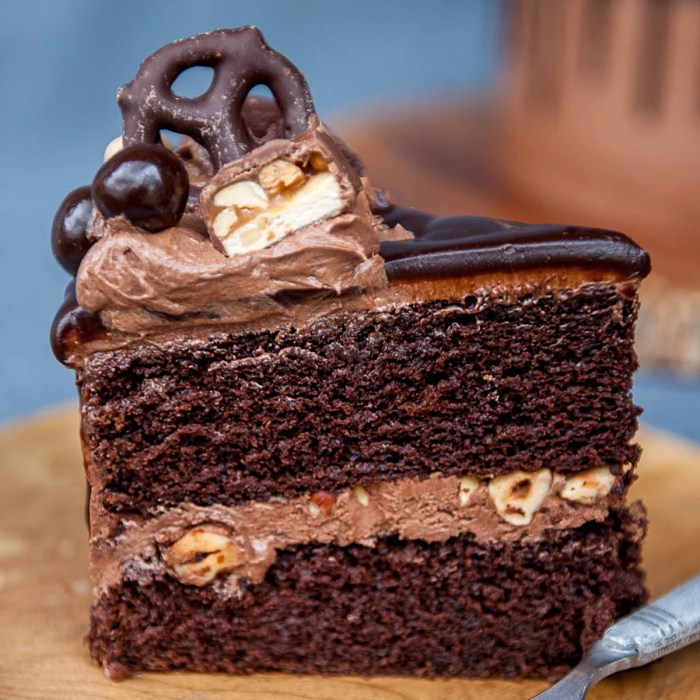
Preserving the moist, decadent texture and rich chocolate flavor of your freshly baked cake is paramount. Proper storage and thoughtful serving significantly impact the overall enjoyment of this delightful creation. Understanding the best practices ensures your chocolate cake remains a culinary masterpiece, ready to be savored for days to come.Storing your chocolate cake correctly prevents it from drying out and losing its delightful texture.
Air exposure is the enemy of a moist cake.
Cake Storage Methods
To maintain optimal freshness, wrap the cake tightly in plastic wrap, ensuring no air pockets remain. This creates a barrier against air and moisture loss. For longer-term storage (up to 3-4 days), place the wrapped cake in an airtight container.
This adds an extra layer of protection against external elements that could compromise the cake’s quality. Freezing is also an option for longer storage; wrap the cake tightly in plastic wrap, then in aluminum foil, and place it in a freezer-safe container or bag.
A frozen chocolate cake can last for up to 2-3 months. Remember to thaw it gradually in the refrigerator before serving.
Serving Suggestions
Serving your chocolate cake is an art in itself. Consider the presentation to enhance the overall experience. A simple dusting of powdered sugar can elevate the visual appeal. Fresh berries, such as raspberries or strawberries, offer a vibrant color contrast and a delightful tartness that complements the richness of the chocolate.
A delicate chocolate shavings garnish adds an extra touch of elegance and reinforces the chocolate theme.
Ideal Serving Temperature
Serving temperature significantly influences the taste and texture of chocolate cake. Room temperature (around 65-70°F or 18-21°C) is generally ideal. At this temperature, the cake’s texture is at its best—soft, moist, and tender. The flavors are also fully developed and balanced, offering a more enjoyable tasting experience.
A cold cake, on the other hand, can feel dense and less flavorful, while a warm cake might be too soft and potentially crumbly. Consider the ambient temperature when deciding on the ideal serving time to ensure your guests enjoy the cake at its peak.
For instance, on a hot summer day, allowing the cake to sit at room temperature for a short time before serving may be preferable.
Beverage Pairings
The richness of a chocolate cake lends itself well to various beverage pairings. A classic choice is a strong cup of coffee, the bitterness of which cuts through the sweetness of the cake beautifully. A chilled glass of milk is another timeless pairing, its creamy texture complementing the cake’s texture.
For a more sophisticated option, consider a rich, dark hot chocolate or even a glass of slightly chilled red wine. The choice depends entirely on personal preference and the overall dining experience you wish to create.
End of Discussion

Mastering the art of chocolate cake baking is a rewarding experience, and this comprehensive guide has equipped you with the knowledge and techniques to create truly unforgettable cakes. Whether you’re a seasoned baker or just starting out, remember that practice and attention to detail are key.
So, embrace the delicious challenge, experiment with different flavors and decorations, and most importantly, have fun creating your own masterpiece! The journey to the perfect chocolate cake is a sweet one, filled with experimentation and delicious rewards. Happy baking!
General Inquiries
Can I use different types of flour in this recipe?
Yes, you can experiment with different flours, but be aware that substitutions may slightly alter the texture. Cake flour generally produces a more tender crumb, while all-purpose flour is a common substitute.
How long can I store a frosted chocolate cake?
A properly stored frosted chocolate cake can last for 3-4 days in the refrigerator. Ensure it’s tightly covered to prevent it from drying out.
What’s the best way to prevent a sunken center?
A sunken center is often caused by oven temperature inconsistencies or over-baking. Use an oven thermometer to ensure accuracy and bake according to the recipe’s instructions, checking for doneness with a toothpick.
Can I freeze chocolate cake?
Yes, you can freeze unfrosted or frosted chocolate cake. Wrap it tightly in plastic wrap and then foil before freezing for up to 3 months.
Posting Komentar