Recipe For Zucchini Bread In A Bread Machine
Recipe For Zucchini Bread In A Bread Machine: Imagine the scent of warm, subtly sweet zucchini bread filling your kitchen, the result of effortless baking. This isn’t your grandmother’s zucchini bread—this is the upgraded version, a symphony of moist crumb and gentle spice, all achieved with the simplicity of a bread machine.
We’ll explore the magic behind this kitchen appliance, unveiling the secrets to a perfect loaf every time. From ingredient substitutions that elevate the flavor profile to troubleshooting tips that ensure baking success, this guide is your passport to zucchini bread nirvana.
This recipe transcends the ordinary, offering a streamlined approach to a classic. We’ll delve into the history of zucchini bread, tracing its evolution from humble beginnings to the beloved treat it is today. Discover the advantages of using a bread machine—from its time-saving efficiency to its consistent results—and understand why this method outshines traditional techniques.
We’ll also provide detailed, step-by-step instructions, accompanied by visual representations of bread machine settings, ensuring a flawless baking experience.
Introduction to Bread Machine Zucchini Bread
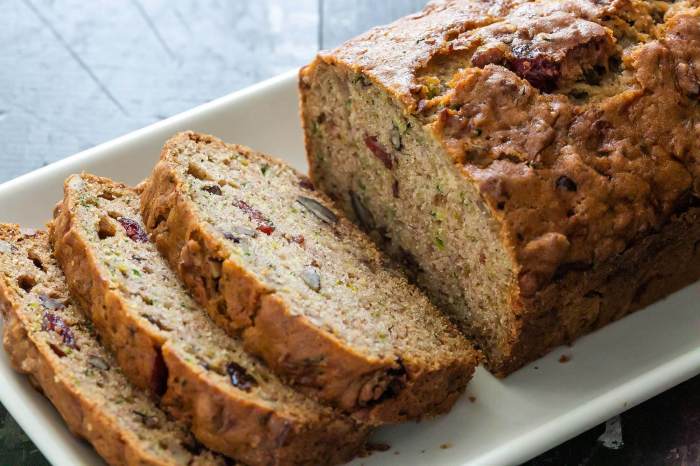
The humble zucchini bread, a culinary chameleon adapting to countless variations, boasts a history as rich and moist as its namesake ingredient. While pinpointing its precise origin is a challenge, its rise to popularity coincides with the widespread cultivation of zucchini in home gardens during the mid-20th century.
From simple recipes featuring basic spices to elaborate versions incorporating nuts, chocolate chips, and even cream cheese swirls, zucchini bread has cemented its place as a beloved quick bread, a testament to its versatility and ease of preparation.The advent of the bread machine has revolutionized baking, and zucchini bread is no exception.
This remarkable appliance simplifies the process, freeing the baker from the tedious task of kneading and ensuring a consistently light and airy crumb. Using a bread machine offers a distinct advantage over traditional methods, minimizing effort while maximizing delicious results.
The automated process allows for more consistent results, reduces the risk of human error, and ultimately allows the baker to focus on enjoying the process and the delicious outcome.
Advantages of Using a Bread Machine for Zucchini Bread, Recipe For Zucchini Bread In A Bread Machine
This recipe surpasses traditional methods in three key aspects. First, the bread machine’s automated kneading ensures a perfectly developed gluten structure, resulting in a bread that is both tender and moist. Traditional hand-kneading can be inconsistent, leading to variations in texture.
Second, the precise temperature control within the bread machine guarantees even baking, preventing dry spots or undercooked centers. In contrast, oven baking can be unpredictable, requiring constant monitoring and adjustment. Third, the bread machine’s “delay timer” function allows for scheduling the baking process, providing freshly baked bread at a predetermined time.
This convenient feature is unavailable with traditional methods, where timing and attention are crucial.
Essential Ingredients and Substitutions: Recipe For Zucchini Bread In A Bread Machine
The alchemy of zucchini bread, even within the comforting embrace of a bread machine, hinges upon a delicate balance of ingredients. Each component plays a crucial role, contributing to the final loaf’s texture, moisture, and flavor profile. Understanding these roles allows for creative substitutions, opening up a world of culinary possibilities.
Let us delve into the heart of this delectable recipe, exploring the core ingredients and the exciting alternatives that await.
The following section details the essential ingredients for a classic zucchini bread machine recipe, explaining their function and offering viable substitutions. The impact of each substitution on the final product’s texture and flavor is also considered.
Core Ingredients and Their Functions
A successful zucchini bread relies on a harmonious blend of wet and dry ingredients. The wet ingredients provide moisture and structure, while the dry ingredients contribute to the bread’s rise and overall texture. Let’s examine each component individually.
Flour, the backbone of any bread, provides the structural framework. Sugar adds sweetness and contributes to browning. Eggs bind the ingredients together, adding richness and moisture. Oil provides moisture and tenderness. Zucchini, the star of the show, adds moisture and subtle sweetness.
Baking powder and baking soda are leavening agents, responsible for the bread’s rise. Spices, such as cinnamon and nutmeg, enhance the flavor profile.
Ingredient Substitutions and Their Impact
While the classic recipe provides a delightful result, culinary exploration thrives on innovation. Substituting ingredients can yield unexpected and equally delicious outcomes. The following table summarizes three alternative ingredients for each core component, along with their impact on the final product.
| Ingredient | Substitution 1 | Substitution 2 | Substitution 3 |
|---|---|---|---|
| All-Purpose Flour | Whole Wheat Flour (Adds nuttiness and a denser texture) | Oat Flour (Creates a slightly more crumbly texture and adds a subtle oat flavor) | Almond Flour (Results in a denser, more cake-like texture with a distinct almond flavor. May require additional liquid) |
| Granulated Sugar | Brown Sugar (Adds moisture and a deeper molasses flavor) | Honey (Contributes a distinct sweetness and moisture, but may slightly alter the browning) | Maple Syrup (Provides a rich, complex sweetness and moisture, but might affect the final color) |
| Eggs | Applesauce (Reduces richness and adds moisture, but may result in a slightly less fluffy texture) | Mashed Banana (Adds sweetness and moisture, impacting the overall flavor profile) | Flaxseed “Egg” (Creates a slightly denser texture with a mild nutty flavor; requires mixing 1 tablespoon of flaxseed meal with 3 tablespoons of water and letting it sit for 5 minutes) |
| Vegetable Oil | Melted Butter (Adds richness and a buttery flavor, potentially altering the texture slightly) | Avocado Oil (Adds a mild, slightly fruity flavor and a slightly creamier texture) | Coconut Oil (Imparts a distinct coconut flavor and may slightly alter the texture; use refined coconut oil for a neutral flavor) |
| Zucchini | Yellow Squash (Similar moisture content and subtle sweetness) | Summer Squash (Offers similar moisture and a slightly milder flavor) | Pumpkin Puree (Adds moisture and a distinct pumpkin flavor, requiring slight adjustments to spices) |
| Baking Powder & Baking Soda | Self-Rising Flour (Already contains baking powder and salt, requiring adjustments to other ingredients) | (Note: Direct substitution is not recommended due to the differing chemical reactions. Adjusting the amount of one or the other might be possible but is complex and not advised for beginners.) | (Note: Direct substitution is not recommended due to the differing chemical reactions. Adjusting the amount of one or the other might be possible but is complex and not advised for beginners.) |
| Cinnamon & Nutmeg | Ginger (Adds warmth and spiciness) | Allspice (Provides a warm, slightly peppery flavor) | Cardamom (Offers a unique, aromatic sweetness) |
Step-by-Step Bread Machine Instructions

Embark on this culinary adventure with confidence, for the path to perfectly moist and subtly sweet zucchini bread lies before you, guided by the rhythmic pulse of your bread machine. This detailed procedure will transform humble ingredients into a loaf worthy of the most discerning palate.
The following steps will lead you through the creation of a zucchini bread that is both effortless and exquisite. Remember, precision is key in baking; adhere closely to these instructions for optimal results.
Bread Machine Procedure
The magic of the bread machine lies in its ability to automate the kneading and baking process, leaving you free to attend to other matters. However, proper preparation is paramount to success. Follow these steps meticulously to ensure a flawless outcome.
- Prepare the Ingredients:Grate your zucchini, ensuring it’s as dry as possible. This is crucial to prevent a soggy loaf. Measure out all other ingredients precisely. Accuracy is the baker’s best friend.
- Load the Bread Machine:Place the liquids (oil, eggs, and milk) into the bread pan, followed by the dry ingredients (flour, sugar, spices, and baking soda). Nestle the grated zucchini into the mix. Finally, add the yeast to its designated compartment in the bread machine.
- Select the Settings:Choose the “dough” cycle. This allows the machine to thoroughly mix and knead the ingredients, developing the gluten structure necessary for a light and airy loaf. The duration of this cycle will vary depending on your machine’s model; consult your bread machine’s manual for specifics.
- Initiate the Dough Cycle:Press “Start” and allow the machine to work its magic. Observe the dough through the viewing window, ensuring it’s forming a cohesive mass. If it seems too dry, you may add a tablespoon or two of milk during the kneading phase.
If it seems too wet, add a tablespoon of flour.
- Transition to Bake:Once the dough cycle is complete, carefully remove the bread pan. You may need to gently scrape down the sides of the pan to ensure all the ingredients are evenly incorporated. Place the pan back into the machine and select the “bake” cycle.
Again, consult your manual for specific bake times.
- Baking and Cooling:Let the bread machine complete the baking cycle. Once finished, carefully remove the loaf from the pan. Allow it to cool completely on a wire rack before slicing and serving. Impatience is the enemy of a perfectly cooled and textured loaf.
Bread Machine Settings Visualization
Imagine a control panel with a digital display. A series of buttons are clearly labeled. One button is prominently marked “Dough Cycle,” with a smaller button beside it that allows you to select the dough weight and crust color.
Another button, equally prominent, displays “Bake Cycle,” also offering options for loaf size and crust color. A small indicator light illuminates during each cycle, providing visual confirmation of the machine’s operation. The display screen shows the remaining time for each cycle, a countdown to deliciousness.
Troubleshooting Common Issues
Even the most experienced bakers encounter occasional setbacks. Understanding common bread machine problems and their solutions can save you from disappointment. The following points address some frequent challenges and their remedies.
- Problem:The dough is too sticky. Solution:Add one or two tablespoons of flour, a little at a time, during the kneading cycle.
- Problem:The dough is too dry. Solution:Add a tablespoon or two of milk or water, a little at a time, during the kneading cycle.
- Problem:The loaf is dense and heavy. Solution:Ensure the yeast is fresh and that you’ve followed the recipe precisely. Check the baking temperature and time settings on your machine.
- Problem:The loaf didn’t rise properly. Solution:Check the yeast’s expiration date. Make sure the ingredients are at room temperature before starting. Consider if your machine is properly calibrated and functioning.
Variations and Flavor Enhancements
The humble zucchini bread, a canvas of moist, subtly sweet perfection, begs for embellishment. Its inherent mildness allows for a breathtaking array of flavor adventures, transforming this simple loaf into a culinary masterpiece tailored to your desires. Let us explore the boundless possibilities that await.
The addition of nuts, spices, and even chocolate chips can elevate this classic recipe to new heights, creating a symphony of textures and tastes.The strategic incorporation of additional ingredients not only enhances the flavor profile but also introduces exciting textural contrasts.
A careful balance is key; too much of any one ingredient can overpower the delicate zucchini flavor, while too little will fail to make a significant impact. The following suggestions offer a starting point for your own creative explorations.
Unique Flavor Combinations for Zucchini Bread
Five distinct flavor combinations are presented below, each promising a unique sensory experience. These combinations offer a departure from the traditional, showcasing the versatility of zucchini bread and its capacity for transformation. Remember to adjust quantities according to your preference and the size of your loaf.
- Citrus Burst:The bright zest of orange and lemon, combined with a hint of cardamom, creates a vibrant and refreshing twist on the classic recipe. Imagine the fragrant citrus notes dancing on your palate, complemented by the warm spice of cardamom.
- Spiced Pumpkin Spice:A comforting autumnal blend of pumpkin puree, cinnamon, nutmeg, and ginger adds a warm and inviting dimension. The addition of pumpkin pie spice elevates the experience to new heights.
- Salted Caramel Swirl:A decadent indulgence, this variation features a luscious salted caramel sauce swirled throughout the batter, creating pockets of sweet, salty goodness. The contrasting textures and flavors make for an unforgettable treat.
- Cranberry Walnut Delight:The tartness of dried cranberries harmonizes beautifully with the richness of walnuts, creating a complex and satisfying flavor profile. The contrasting textures add another layer of enjoyment.
- Coconut Cream Pie:A tropical twist, this variation incorporates shredded coconut and a creamy coconut milk base, resulting in a moist and intensely flavorful bread with a hint of sweetness. The addition of toasted coconut flakes adds a delightful textural contrast.
Incorporating Variations into the Base Recipe
Integrating these variations into your base zucchini bread recipe is straightforward. For nuts and dried fruits, gently fold them into the batter during the final stages of mixing to prevent them from sinking to the bottom. Spices should be added along with the other dry ingredients.
For additions like chocolate chips or caramel sauce, consider adding them in layers within the bread machine pan for an even distribution. Remember to adjust baking time as needed, depending on the density of your additions. For example, the addition of a substantial amount of nuts or dried fruit might require a slightly longer baking time.
Always check for doneness using a toothpick inserted into the center of the loaf.
Serving and Storage Suggestions
The culmination of your culinary efforts deserves a grand unveiling. Presenting your zucchini bread with flair and ensuring its longevity requires a delicate balance of artistry and practicality. From the optimal serving temperature to preserving its moist, delectable texture, the following guidelines will elevate your zucchini bread experience from simple sustenance to a symphony of flavor.Optimal serving temperature and serving suggestions for zucchini bread hinge on personal preference, yet some guidelines exist to enhance the overall enjoyment.
Slightly warmed zucchini bread, heated gently in the oven or microwave, releases intensified aromas and a more pronounced tenderness. This warmth is particularly delightful during cooler months. Conversely, a chilled slice, served straight from the refrigerator, offers a refreshing contrast, especially on a hot summer’s day.
Consider accompanying your slices with a dollop of whipped cream, a smear of cream cheese frosting, or a drizzle of honey for an added layer of indulgence. A simple dusting of powdered sugar can also transform a humble slice into a visually appealing treat.
Serving Suggestions
The visual appeal of your zucchini bread can significantly impact the overall dining experience. A simple yet effective presentation involves slicing the loaf into thick, even portions, arranging them on a decorative platter, perhaps garnished with fresh mint sprigs or a scattering of cinnamon.
For a more rustic presentation, consider serving the bread directly from the loaf pan, after lightly dusting it with powdered sugar. This approach retains a sense of warmth and homeliness. Individual slices can be wrapped in parchment paper, tied with twine, and presented as charming take-home gifts.
The possibilities are as limitless as your imagination.
Storage Methods
Proper storage is paramount to preserving the freshness and preventing spoilage of your lovingly crafted zucchini bread. At room temperature, in an airtight container, your bread will remain palatable for approximately three to four days. However, for extended preservation, refrigeration is recommended.
Wrapped tightly in plastic wrap or placed in an airtight container, your zucchini bread can maintain its quality for up to a week in the refrigerator. Freezing offers the most extended shelf life. Wrap individual slices tightly in plastic wrap, then place them in a freezer-safe bag or container.
Frozen zucchini bread can retain its deliciousness for up to three months. Remember to thaw it gently at room temperature or in the refrigerator before serving. Avoid repeated freezing and thawing cycles, as this can compromise the texture and moisture content.
Nutritional Information and Health Benefits
Unveiling the nutritional secrets within each slice of our delectable zucchini bread reveals a surprising bounty of health benefits, far exceeding the simple pleasures of taste and texture. This isn’t just a treat; it’s a subtly nutritious addition to your diet, especially when compared to its less wholesome counterparts.The nutritional profile, while varying slightly depending on specific ingredient choices and quantities, generally presents a moderate source of carbohydrates, a decent amount of fiber, and a surprisingly good contribution of vitamins and minerals, all wrapped in a comforting, home-baked package.
Nutritional Breakdown Per Serving (Approximate)
A typical serving (approximately one-sixth of a loaf) of zucchini bread will contain roughly: 150-200 calories, 25-35 grams of carbohydrates, 2-4 grams of protein, 2-4 grams of fat, and 2-3 grams of fiber. The exact figures fluctuate based on the type and amount of sweeteners used (honey, brown sugar, or white sugar), the inclusion of nuts or seeds, and the size of the loaf.
This analysis represents a reasonable average based on commonly used recipes.
Health Benefits of Key Ingredients
Zucchini, the star ingredient, provides a significant dose of vitamin C, an antioxidant crucial for immune function and collagen production. It also contributes to your daily intake of vitamin A (in the form of beta-carotene), essential for eye health and cell growth.
The addition of whole wheat flour, frequently incorporated for enhanced flavor and texture, boosts the fiber content, aiding digestion and promoting feelings of fullness. Oats, another potential addition, contribute to heart health through their soluble fiber content. Spices such as cinnamon add an extra layer of health benefits, exhibiting anti-inflammatory properties and potentially assisting in blood sugar regulation.
Comparison to Traditional Zucchini Bread
While the bread machine simplifies the baking process, it doesn’t significantly alter the nutritional profile compared to a traditionally baked loaf. The key difference lies primarily in convenience and potential consistency. A bread machine often ensures a more even rise and baking, potentially leading to a more uniformly textured and evenly cooked loaf.
However, the fundamental nutritional makeup remains largely unchanged; both versions offer similar benefits derived from the core ingredients. The subtle variations in nutritional content will primarily stem from differences in recipes, not the method of baking.
Conclusion
The journey to the perfect loaf of zucchini bread, facilitated by the magic of the bread machine, has been a delightful one. From understanding the role of each ingredient and exploring exciting flavor variations, to mastering the art of serving and storage, this recipe offers more than just a baked good; it’s an experience.
So, gather your ingredients, embrace the simplicity of the bread machine, and embark on this culinary adventure. The result? A taste of homemade happiness, warm from the oven and ready to share.
Common Queries
Can I use frozen zucchini?
Yes, but be sure to thaw and squeeze out excess moisture before adding it to the bread machine.
What if my bread is too dense?
This often indicates insufficient leavening. Double-check your baking powder and ensure your zucchini is properly drained.
How long does zucchini bread last?
Properly stored in an airtight container at room temperature, zucchini bread will last for 3-4 days. You can also freeze it for longer storage.
Can I add other fruits to this recipe?
Absolutely! Applesauce, blueberries, or cranberries would all be delicious additions.
Posting Komentar