Recipes That Use A Lot Of Milk
Recipes That Use A Lot Of Milk? Duh, that’s like, -so* many things! From creamy dreamy soups that’ll make you wanna lick the bowl clean to decadent cakes that’ll have your IG followers drooling, milk is the MVP of countless dishes.
We’re diving deep into the world of milky goodness, exploring everything from the perfect béchamel to that ultra-soft milk bread you’ve been craving. Get ready to upgrade your culinary game, Jakarta South style.
This isn’t just about recipes; it’s about understanding how different types of milk – whole milk, skim, evaporated, condensed – totally transform textures and flavors. We’ll uncover the secrets to achieving that perfect velvety smoothness in sauces, the airy lightness in cakes, and the rich creaminess in desserts.
Think of it as your ultimate guide to mastering the art of milk-based cooking, complete with tips and tricks that even your -emak-emak* would be jealous of.
Baking with Milk
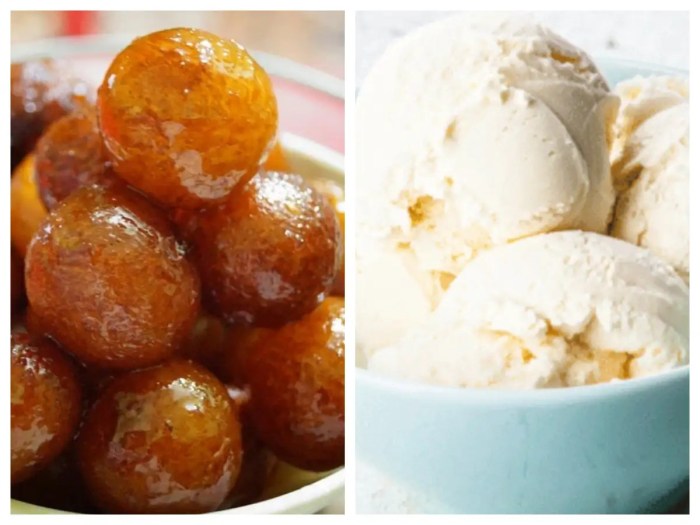
Milk, far more than just a beverage, acts as a transformative ingredient in baking, lending its unique properties to create cakes and breads of exceptional texture and flavor. Its subtle sweetness, creamy richness, and ability to contribute to moisture and tenderness make it a cornerstone of countless recipes.
The fat content and protein in milk interact with other ingredients during baking, impacting the final product’s rise, crumb structure, and overall mouthfeel.
Milk-Based Cakes: Texture and Rise Variations
The type of milk used significantly influences a cake’s texture and rise. Whole milk, with its higher fat content, creates a richer, more tender crumb, while lower-fat options like skim milk result in a slightly drier, less dense cake. The fat in whole milk emulsifies with other ingredients, creating a more stable batter and promoting a more even rise.
Conversely, skim milk’s lower fat content can lead to a less tender crumb, though it can still produce a delicious cake. The following recipes illustrate these differences.
- Classic Vanilla Cake (Whole Milk):This recipe utilizes whole milk for its richness and ability to create a moist, tender crumb. The higher fat content contributes to a softer texture and a slightly higher rise. Imagine a cake with a delicate, melt-in-your-mouth texture, a light and airy crumb, and a subtle sweetness enhanced by the milk’s creaminess.
- Lemon Poppy Seed Cake (2% Milk):Using 2% milk provides a balance between richness and lightness. The cake maintains moisture while offering a slightly less dense crumb compared to a cake made with skim milk. The lemon’s bright acidity cuts through the richness of the milk, creating a refreshing and flavorful cake.
Picture a vibrant yellow cake with a tender crumb and a burst of citrus flavor.
- Chocolate Fudge Cake (Skim Milk):This recipe demonstrates how even skim milk can produce a delicious cake. While the crumb might be slightly less tender than cakes made with higher-fat milk, the intense chocolate flavor compensates, resulting in a decadent and satisfying dessert. The cake would have a slightly denser, but still moist, crumb, perfectly complementing the rich chocolate.
Milk Bread Recipe: Softness and Flavor Enhancement
Milk bread, renowned for its incredibly soft and pillowy texture, relies heavily on the contribution of milk to achieve its signature qualities. The milk hydrates the flour, contributing to a tender crumb, while its subtle sweetness enhances the overall flavor profile.
Ingredients:
- 1 cup whole milk, warmed
- 2 ¼ teaspoons active dry yeast
- 1 tablespoon granulated sugar
- 1 teaspoon salt
- 4 cups all-purpose flour, plus more for dusting
- ¼ cup unsalted butter, softened
Instructions:
- In a large bowl, combine warm milk, yeast, and sugar. Let stand for 5-10 minutes until foamy.
- Add salt and 2 cups of flour to the yeast mixture. Stir until a shaggy dough forms.
- Turn the dough out onto a lightly floured surface and knead for 5-7 minutes, gradually adding the remaining flour until the dough is smooth and elastic. The milk contributes to a more pliable dough.
- Incorporate the softened butter into the dough by kneading until fully incorporated.
- Place the dough in a lightly oiled bowl, turning to coat. Cover with plastic wrap and let rise in a warm place for 1-1.5 hours, or until doubled in size.
- Punch down the dough and shape it into a loaf. Place it in a greased loaf pan.
- Cover and let rise for another 30-45 minutes.
- Bake in a preheated oven at 375°F (190°C) for 30-35 minutes, or until golden brown.
- Let cool completely on a wire rack before slicing and serving. The milk contributes to a soft and fluffy crumb.
Milk vs. Buttermilk in Quick Breads: Texture and Taste Comparison
In quick breads, the choice between milk and buttermilk significantly impacts the final product’s texture and taste. Buttermilk, with its slightly acidic nature, reacts with baking soda to create a tender, slightly tangy crumb. Milk, on the other hand, produces a milder, less acidic flavor and a softer, though potentially less airy, texture.
For instance, a cornbread made with buttermilk will have a more tender, slightly crumbly texture and a subtle tang, whereas a cornbread made with milk will have a softer, more delicate crumb and a milder flavor. The acidity of buttermilk creates a more complex flavor profile and a slightly more open crumb structure in quick breads, while the neutral nature of milk results in a gentler flavor and a softer texture.
Milk-Based Desserts
Indulge in the creamy, dreamy world of milk-based desserts – a realm where simple ingredients transform into exquisite treats. From the simplest puddings to the most elegant crème brûlées, milk provides the foundation for a vast array of textures and flavors.
This exploration delves into the art of milk-based dessert making, highlighting the versatility of this humble ingredient and its impact on the final product.
Five Milk-Based Desserts Ranked by Complexity
The following recipes are presented in ascending order of difficulty, allowing you to gradually build your skills and confidence in creating delicious milk-based desserts.
- Microwave Milk Pudding:This simplest dessert involves combining milk, sugar, and vanilla extract in a microwave-safe bowl. Microwave on high for short intervals, stirring frequently, until thickened. A touch of cornstarch can enhance the creaminess. The ease and speed make it perfect for a quick treat.
- Classic Crème Caramel:A custard base is cooked gently on the stovetop, ensuring a smooth, silky texture. The resulting custard is then poured into ramekins and baked in a water bath (bain-marie) for a delicate, jiggly consistency. The caramel topping adds a delightful contrasting sweetness and crunch.
- Rice Pudding:This comforting dessert involves simmering rice in milk with sugar and spices like cinnamon or nutmeg. The slow cooking process allows the rice to absorb the milk, creating a creamy, comforting texture. Raisins or other dried fruits can be added for extra flavor and texture.
- Flan:Similar to crème caramel, but often featuring eggs yolks in a higher proportion to milk, resulting in a richer, denser custard. The caramelized sugar topping adds a visually appealing and delicious element. A water bath ensures even cooking and prevents cracking.
- Crème brûlée:This sophisticated dessert requires precise temperature control during the custard-making process. A rich custard is baked in a water bath, then chilled before being topped with a layer of caramelized sugar, creating a satisfying textural contrast between the smooth custard and the crisp, brittle topping.
Achieving the perfect balance of creamy custard and crunchy topping requires patience and attention to detail.
The Impact of Different Milks on Crème Brûlée
The choice of milk significantly impacts the texture and sweetness of crème brûlée. Using whole milk results in a richer, creamier custard due to its higher fat content. Evaporated milk, with its higher solids content, contributes to a denser, slightly sweeter custard.
Condensed milk, already sweetened, provides an intensely sweet and creamy custard, often requiring less added sugar. Experimenting with different milk types allows for a customized flavor profile and texture. For example, a blend of whole milk and evaporated milk can offer a balanced creaminess and sweetness.
Homemade Ice Cream: The Role of Fat Content, Recipes That Use A Lot Of Milk
Making homemade ice cream offers complete control over ingredients and texture. Milk forms the base, with fat content playing a crucial role in achieving desired creaminess. Whole milk yields a smoother, richer ice cream compared to skim milk, which results in a icier texture.
Adding cream or heavy cream further enhances richness and creaminess. The fat content prevents ice crystals from forming, leading to a smoother, more luxurious texture. To achieve different levels of creaminess, adjust the ratio of milk to cream: a higher cream proportion results in a richer, denser ice cream, while a lower proportion creates a lighter, less rich texture.
For example, using a combination of whole milk and heavy cream in a 2:1 ratio would create a luxuriously creamy ice cream.
Savory Dishes Using Milk

Milk’s role in savory cooking extends far beyond creamy soups and decadent sauces. Its subtle sweetness and ability to create rich, velvety textures make it a surprisingly versatile ingredient in a range of savory dishes, adding depth and complexity to flavors.
Let’s explore some unexpected ways milk elevates everyday meals.Savory dishes utilizing milk often benefit from its ability to tenderize, emulsify, and contribute to a creamy mouthfeel. The richness it provides enhances the overall flavor profile, making even simple ingredients shine.
Creamy Potato Gratin
This classic dish showcases milk’s power to create a luxuriously creamy sauce. The milk, combined with cheese, creates a rich and flavorful coating that perfectly complements the tender potatoes. The starch from the potatoes also helps to thicken the sauce, creating a delightful balance of textures.Here’s a recipe for a truly decadent creamy potato gratin:
Ingredients:
- 2 lbs Yukon Gold potatoes, thinly sliced
- 1/2 cup heavy cream
- 1 cup whole milk
- 1/2 cup grated Gruyere cheese
- 1/4 cup grated Parmesan cheese
- 2 cloves garlic, minced
- 1/4 teaspoon nutmeg
- Salt and freshly ground black pepper to taste
- 2 tablespoons butter
Instructions:
- Preheat oven to 375°F (190°C).
- In a large bowl, combine heavy cream, milk, Gruyere cheese, Parmesan cheese, minced garlic, nutmeg, salt, and pepper.
- Grease a 9×13 inch baking dish with butter.
- Layer half of the sliced potatoes in the baking dish, slightly overlapping.
- Pour half of the cheese sauce over the potatoes.
- Repeat layers with remaining potatoes and cheese sauce.
- Dot the top with remaining butter.
- Bake for 45-60 minutes, or until potatoes are tender and the top is golden brown and bubbly.
Milk-Coated Roasted Vegetables
Roasting vegetables with a milk-based coating yields exceptionally tender and flavorful results. The milk, when combined with seasonings, creates a creamy, flavorful crust that caramelizes beautifully in the oven. Compared to using water or oil alone, milk adds richness and a subtle sweetness that enhances the natural flavors of the vegetables.
The milk also helps to prevent the vegetables from drying out during roasting.Using milk instead of water or oil for roasting vegetables results in a noticeably richer and more flavorful outcome. The milk’s fat content contributes to a creamy texture and helps the vegetables brown beautifully, creating a delicious crust.
Creamy Polenta
Polenta, a cornmeal porridge, achieves its characteristic creamy texture through the addition of milk. The milk contributes to a smooth, luxurious consistency and enhances the overall flavor profile of the polenta. Different types of milk, from whole milk to cream, can be used to adjust the richness and creaminess of the final dish.
Milk also helps prevent the polenta from becoming too thick or dry. This versatility makes it adaptable to both sweet and savory applications.
Visual Representations
Milk’s transformative power in cooking is best understood not just through taste and texture, but also through its visual metamorphosis. Seeing the changes milk undergoes during cooking provides a compelling narrative of its role in creating diverse culinary masterpieces.
From the subtle shifts in color to the dramatic thickening of sauces, the visual journey of milk in recipes offers a captivating insight into the culinary process.
A Creamy Milk-Based Sauce: A Step-by-Step Visual Journey
Imagine a sequence of four photographs. The first shows a shimmering pool of milk in a saucepan, its surface undisturbed, reflecting the kitchen light. Small specks of butter are just beginning to melt into the milk. The second image captures the moment when the milk is gently simmering, a delicate haze rising from its surface.
Tiny bubbles begin to break the mirror-like reflection, indicating the gentle heat. The third photograph shows the sauce visibly thickening. The initially translucent milk has taken on a slightly opaque quality, its surface now smoother and more cohesive. The sauce clings to the back of a spoon, coating it evenly.
The final image depicts the finished sauce, a luscious, creamy ivory. It has a rich, velvety texture, reflecting the light softly. The gentle simmering has transformed the simple milk into a luxurious sauce, ready to coat pasta, vegetables, or chicken.
Custard Textures: The Influence of Milk Fat Percentage
A trio of custard samples illustrates the effect of milk fat content. The first, made with whole milk, boasts a luxuriously rich, creamy texture. It holds its shape beautifully, exhibiting a slight jiggle when gently shaken, and a smooth, almost glossy surface.
The second custard, crafted with 2% milk, displays a noticeably less rich texture. While still creamy, it is slightly less firm, exhibiting a more fluid consistency than its whole milk counterpart. The surface is smoother but less glossy. The third custard, made with skim milk, has a noticeably thinner, more watery texture.
It lacks the rich creaminess of the others, with a more delicate, almost fragile consistency. Its surface is less smooth and the overall texture is lighter and less substantial.
White Chocolate Mousse: A Milk Type Comparison
Three ramekins showcase the visual differences in white chocolate mousse prepared with whole, 2%, and skim milk. The mousse made with whole milk exhibits a rich, creamy white color, its texture appearing dense and velvety. It holds its shape well, with a glossy sheen reflecting light beautifully.
The mousse created with 2% milk displays a slightly paler white color, its texture less dense than the whole milk version. It retains its shape, but the sheen is less pronounced. The skim milk mousse has a noticeably thinner consistency, appearing almost watery in comparison.
Its color is the palest of the three, lacking the rich, creamy tone of the others. The texture is noticeably less dense and less visually appealing.
Closure
So there you have it – a whole lotta love for milk! From the simplest creamy tomato soup to the most elaborate crème brûlée, we’ve explored the incredible versatility of milk in cooking and baking. Remember, experimenting is key! Don’t be afraid to swap out milk types, adjust quantities, and add your own personal touch.
Now go forth and create some seriously delicious, Instagram-worthy milky masterpieces!
FAQs: Recipes That Use A Lot Of Milk
Can I substitute milk with other liquids in these recipes?
Sometimes! It depends on the recipe. Water or broth might work in some soups, but for baking, the results can vary significantly. Experiment cautiously!
What’s the best way to store leftover milk-based dishes?
Airtight containers in the fridge are your best bet! Most will last 3-5 days, but always check for any signs of spoilage before consuming.
Are there any vegan alternatives for milk in these recipes?
Totally! Soy milk, almond milk, oat milk – lots of options are available. The results might differ slightly in texture and taste, but it’s worth experimenting.
Posting Komentar