Roasted Butternut Squash Soup With Carrots And Celery
Roasted Butternut Squash Soup With Carrots And Celery: A culinary journey awaits, exploring the rich tapestry of flavors and textures this classic soup offers. From its humble beginnings as a seasonal comfort food, this recipe has evolved into a versatile dish adaptable to various tastes and culinary traditions.
We’ll delve into the secrets of achieving optimal sweetness and velvety smoothness, exploring different cooking methods and ingredient variations, and uncovering the surprising nutritional benefits hidden within each spoonful.
This exclusive interview will uncover the history and cultural influences behind this beloved soup, examining its evolution across different cuisines. We’ll discuss various cooking techniques, from roasting the squash to achieving the perfect puree, and offer creative serving suggestions and pairings to elevate your culinary experience.
We’ll also explore the health benefits and nutritional value of this wholesome dish, providing you with the knowledge to create a truly exceptional and memorable meal.
Nutritional Aspects & Health Benefits: Roasted Butternut Squash Soup With Carrots And Celery

This creamy and comforting Roasted Butternut Squash Soup, enhanced with the sweetness of carrots and the subtle crunch of celery, is not just delicious; it’s a nutritional powerhouse. The combination of these vegetables provides a wealth of vitamins, minerals, and antioxidants, contributing to overall health and well-being.
Let’s delve into the specific nutritional benefits each ingredient offers and how they work together to create a wholesome and satisfying meal.
Butternut squash, carrots, and celery are excellent sources of essential nutrients that contribute to various aspects of health. Their combined nutritional profile offers a significant boost to your daily intake of vital vitamins and minerals.
Vitamin and Mineral Content
| Nutrient | Quantity per Serving (Approximate) | Health Benefits |
|---|---|---|
| Vitamin A (as beta-carotene) | High (particularly from butternut squash and carrots) | Supports vision health, immune function, and skin health. Beta-carotene acts as an antioxidant, protecting cells from damage. |
| Vitamin C | Moderate (primarily from carrots and celery) | Boosts the immune system, acts as an antioxidant, aids in collagen production for healthy skin and tissues. |
| Potassium | Moderate (from all three vegetables) | Regulates blood pressure, supports muscle function, and maintains fluid balance. |
| Fiber | High (especially from butternut squash) | Promotes digestive health, regulates blood sugar levels, and contributes to feelings of fullness. |
| Vitamin K | Moderate (from carrots and celery) | Essential for blood clotting and bone health. |
| Manganese | Moderate (from butternut squash and carrots) | Supports bone health, wound healing, and metabolism. |
Health Benefits of Individual Ingredients
Each vegetable in this soup contributes unique health benefits. Understanding these individual contributions enhances appreciation for the soup’s overall nutritional value.
Butternut Squash:Rich in beta-carotene, a precursor to Vitamin A, butternut squash provides significant antioxidant protection. Its high fiber content aids digestion and promotes satiety. It also contains vitamin C and potassium, further enhancing its nutritional profile.
Carrots:Known for their high beta-carotene content, carrots are another excellent source of Vitamin A. They also provide vitamin C, potassium, and fiber, contributing to immune support, digestive health, and overall well-being. The vibrant orange color indicates the presence of carotenoids, powerful antioxidants that protect cells from damage.
Celery:While lower in calories, celery is a good source of Vitamin K and Vitamin C. It also provides a good source of dietary fiber, promoting healthy digestion. Celery’s water content contributes to hydration and helps maintain overall bodily functions.
Recipe History & Cultural Context

Butternut squash soup, while enjoying a surge in popularity in modern kitchens, boasts a history as rich and complex as its flavor profile. Its journey across cultures and through time reveals fascinating connections between culinary traditions and the resourceful use of readily available ingredients.
This seemingly simple dish offers a window into the evolution of foodways, reflecting both ancient practices and contemporary culinary trends.The individual components – butternut squash, carrots, and celery – have long held significant roles in diverse cuisines. Their cultivation and incorporation into various dishes provide a compelling narrative of agricultural practices and culinary innovation across continents.
Butternut Squash’s Culinary Journey
Butternut squash, a member of theCucurbita moschata* family, originates in the Americas. Pre-Columbian civilizations cultivated various squash varieties, utilizing them not only as a food source but also for ceremonial purposes. Early European explorers encountered these squashes and subsequently introduced them to the Old World, where they gradually gained acceptance and integration into existing culinary traditions.
Its rich, sweet flavor and versatility made it adaptable to various cooking methods, from roasting and pureeing for soups to stuffing and baking as a main course. The transition from a staple in indigenous American diets to a globally appreciated ingredient highlights the impact of cultural exchange on foodways.
Carrots and Celery in Global Cuisines, Roasted Butternut Squash Soup With Carrots And Celery
Carrots, originally cultivated in Persia, have a long history of use as both food and medicine. Their journey westward, through the Middle East and into Europe, marked their increasing importance in culinary traditions. From stews and roasts to salads and purees, carrots have consistently provided a vibrant color and sweetness to dishes worldwide.
Similarly, celery, native to the Mediterranean region, found its place in ancient Greek and Roman cuisines, evolving into a staple in numerous dishes across Europe and beyond. Its crisp texture and slightly bitter, yet refreshing, flavor make it a versatile addition to soups, stews, and salads.
Comparative Analysis of Similar Soups
This recipe shares similarities with various other vegetable-based soups from around the world. For example, the creamy texture and sweet notes of our butternut squash soup echo those found in many pumpkin-based soups, particularly in North African and Middle Eastern cuisines.
However, the inclusion of carrots and celery distinguishes it from these, introducing a different textural and flavor profile. Similarly, many European and Asian cuisines feature vegetable soups with root vegetables as their base, but the specific combination of ingredients and seasoning would vary greatly, showcasing distinct culinary preferences and regional influences.
A comparison with a classic French cream of vegetable soup, for instance, reveals differences in both the dominant flavors and the techniques employed to achieve the desired consistency. The use of cream or coconut milk, for example, may be more common in some soups compared to the relatively simpler approach in this recipe.
Closing Summary
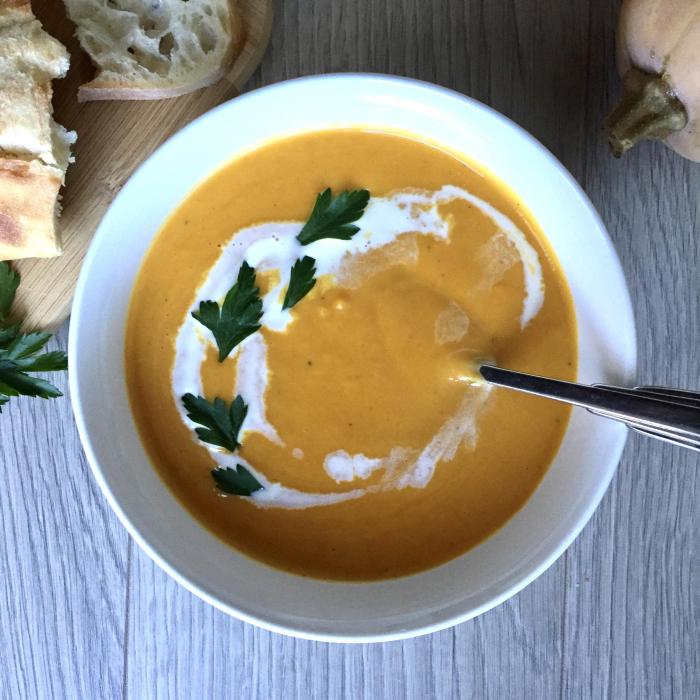
From its simple yet elegant preparation to its rich nutritional profile and versatility, Roasted Butternut Squash Soup With Carrots And Celery proves itself a culinary masterpiece. This exploration has illuminated the depth of flavor achievable through careful roasting techniques, the impact of different pureeing methods, and the endless possibilities for customization.
Whether you’re a seasoned chef or a home cook seeking a comforting and nutritious meal, this soup offers a rewarding experience for both the palate and the soul. Embrace the warmth and wholesome goodness this classic dish provides, and discover the endless possibilities for creativity and culinary exploration it unlocks.
Popular Questions
Can I make this soup ahead of time?
Yes! This soup tastes even better the next day. Store it in an airtight container in the refrigerator for up to 3 days.
Can I freeze this soup?
Absolutely. Freeze in airtight containers for up to 3 months. Thaw overnight in the refrigerator before reheating.
What if I don’t have an immersion blender?
A regular blender works fine. Just be cautious when blending hot liquids; vent the lid slightly to prevent splattering.
Can I use other vegetables?
Yes, feel free to experiment! Sweet potatoes, parsnips, or even apples can be added for variation.
Posting Komentar